
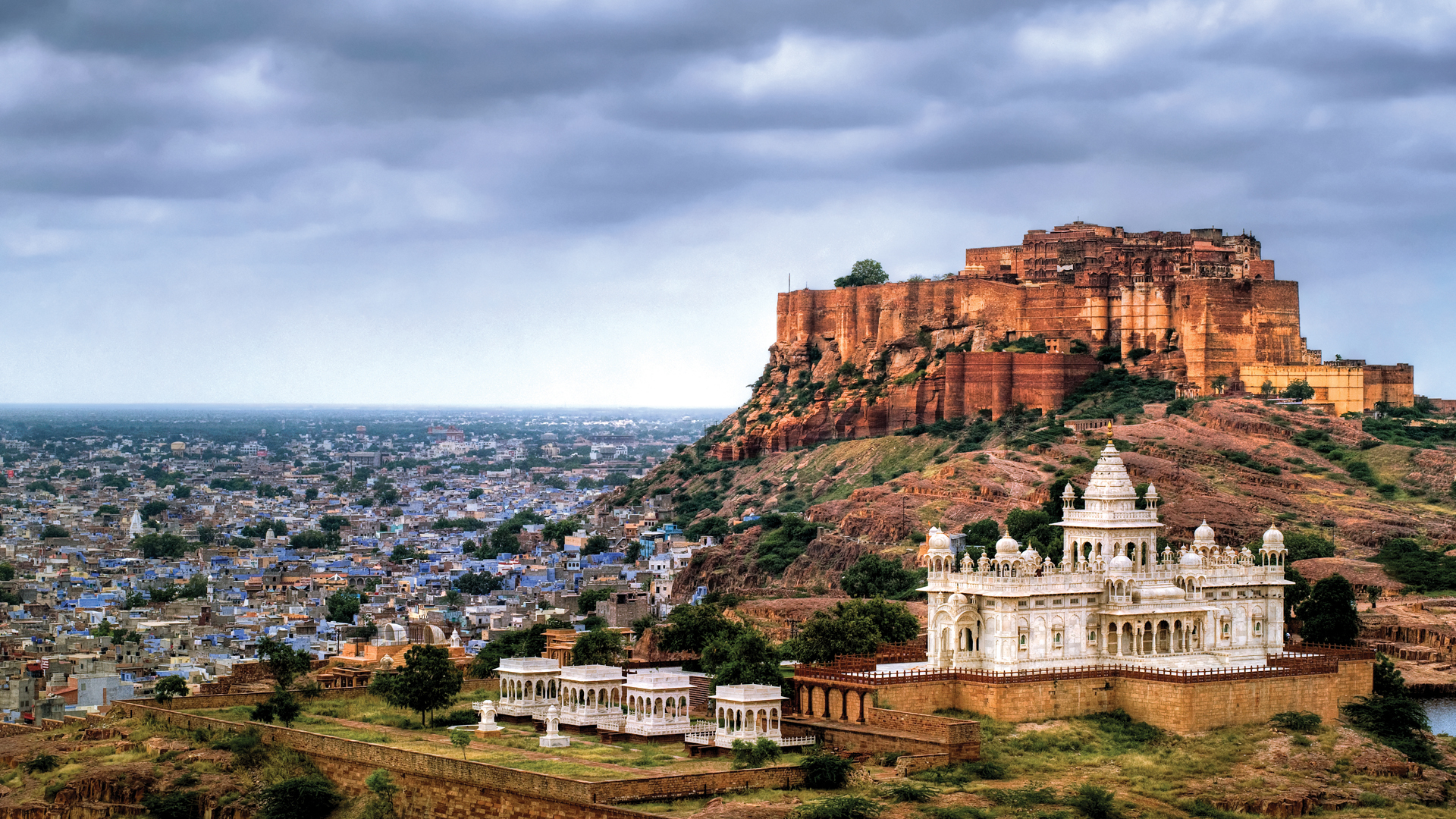
North India is a region of immense diversity, housing the world's highest mountains, the majestic Ganges, and the sprawling Thar Desert. It is a land where every mile tells a story of ancient empires, spiritual awakenings, and natural wonder. From the royal palaces of Rajasthan to the high-altitude deserts of Ladakh, the northern part of India offers a sensory experience that is both overwhelming and deeply rewarding. Here are our top 10 picks for a journey through the heart of North India.
1. Leh-Ladakh – The Land of High Passes
Leh-Ladakh is a destination like no other on Earth. Situated at over 11,000 feet, it offers a stark, lunar-like landscape of jagged mountains, azure lakes, and ancient Buddhist monasteries. A drive over the Khardung La, one of the highest motorable passes in the world, is a rite of passage for adventurers. The Pangong Tso lake, with its ever-changing shades of blue, and the Nubra Valley, where you can ride double-humped Bactrian camels among sand dunes, are sights that will stay with you forever. It is the ultimate destination for those seeking both adrenaline and a deep sense of peace.
2. Varanasi, Uttar Pradesh – The Spiritual Heart
As one of the oldest continuously inhabited cities in the world, Varanasi (Kashi) is the spiritual soul of India. Life here revolves around the "Ghats"—the stone steps leading down to the sacred River Ganges. Taking a boat ride at dawn, as the city wakes up to the sound of temple bells and chanting, is a transformative experience. The Evening Ganga Aarti at the Dashashwamedh Ghat, with its synchronized lamps and incense, is a powerful spectacle of faith. Varanasi is not just a city; it is an immersion into the cycle of life and death that defines Hindu philosophy.
3. Jaipur, Rajasthan – The Pink City
The capital of Rajasthan, Jaipur, is a testament to the grandeur of Rajputana royalty. Known as the Pink City because of the color of its historic buildings, it is part of India’s famous Golden Triangle. The Amber Fort, perched on a hill, offers a stunning blend of Hindu and Mughal architecture, while the Hawa Mahal (Palace of Winds) is an iconic symbol of the city’s royal past. Wandering through the bustling bazaars, filled with vibrant textiles, jewelry, and handicrafts, you can feel the pulse of a city that has managed to keep its royal heritage alive in the modern world.
4. Rishikesh & Haridwar, Uttarakhand – Yoga and Adventure
Known as the Yoga Capital of the World, Rishikesh is nestled in the foothills of the Himalayas where the Ganges flows clear and cold. It gained global fame when the Beatles visited the ashram of Maharishi Mahesh Yogi in the late 60s. Today, it offers a perfect blend of spiritual seeking—with its numerous ashrams and meditation centers—and adrenaline-pumping adventure, including some of the best white-water rafting in India. Just downstream, the holy city of Haridwar offers a more traditional experience, where thousands of devotees gather at Har Ki Pauri for the daily evening prayers.
5. Manali, Himachal Pradesh – The Valley of Gods
Surrounded by high peaks and lush cedar forests, Manali is a year-round favorite for travelers. In winter, it becomes a snowy wonderland, while in summer, it serves as the gateway to the high-altitude treks of the Himalayas. You can explore the ancient Hidimba Devi Temple, soak in the hot springs of Vashisht, or drive through the engineering marvel of the Atal Tunnel to enter the Lahaul Valley. Whether it's paragliding in Solang Valley or simply sipping tea while looking at the snow-capped mountains from Old Manali, this town never fails to enchant.
6. Agra, Uttar Pradesh – Home of the Taj Mahal
No trip to India is complete without seeing the Taj Mahal. Built by Emperor Shah Jahan in memory of his beloved wife Mumtaz Mahal, this white marble mausoleum is a UNESCO World Heritage site and one of the New Seven Wonders of the World. Standing before it at sunrise, as the marble changes color from soft pink to brilliant white, is a moment of pure magic. Beyond the Taj, the Agra Fort and the nearby "ghost city" of Fatehpur Sikri offer further insights into the architectural brilliance and history of the Mughal Empire.
7. Jaisalmer, Rajasthan – The Golden City
Rising like a mirage from the heart of the Thar Desert, Jaisalmer is built almost entirely of yellow sandstone, giving it a golden glow. The Jaisalmer Fort is unique because it is a "living fort," with a large part of the city's population still residing within its walls. The intricate carvings on the havelis (mansions) like Patwon Ki Haveli are mind-boggling in their detail. A camel safari into the Sam Sand Dunes at sunset, followed by a night under the stars in a desert camp, offers a glimpse into the rugged and romantic life of the desert.
8. Srinagar, Kashmir – Paradise on Earth
With its beautiful Dal Lake, Mughal-era gardens, and mountain backdrop, Srinagar has long been hailed as 'Paradise on Earth'. A stay on a traditional wooden houseboat is the quintessence of a Kashmiri holiday. You can glide through the lake on a colorful "Shikara," visiting the floating vegetable markets or the stunning Nishat Bagh and Shalimar Bagh gardens built by the emperors. The local cuisine, the Wazwan, and the delicate Pashmina shawls reflect a culture that is as refined and beautiful as the landscape itself.
9. Spiti Valley, Himachal Pradesh – The Middle Land
For those who want to go truly off the beaten path, Spiti Valley offers a cold desert landscape that is even more remote than Ladakh. Known as the "Middle Land" between India and Tibet, it is home to some of the highest inhabited villages in the world. The Key Monastery, perched on a conical hill, looks like something out of a fantasy novel. The trek to Dhankar Lake or the drive to the turquoise waters of Chandratal Lake provides a sense of isolation and wonder that is increasingly rare in the modern world. It is a place for the hardy and the adventurous.
10. Dharamshala & McLeod Ganj – Little Tibet
The residence of His Holiness the Dalai Lama, McLeod Ganj (Upper Dharamshala) is a vibrant center of Tibetan culture in exile. The streets are lined with monasteries, prayer wheels, and cafes serving delicious momos and thukpa. The Tsuglagkhang Complex is the heart of the town, where you can watch monks debate or visit the Tibet Museum. For nature lovers, the trek to Triund offers a breathtaking view of the Dhauladhar range on one side and the Kangra Valley on the other. It’s a place where spiritual depth meets mountain majesty.