
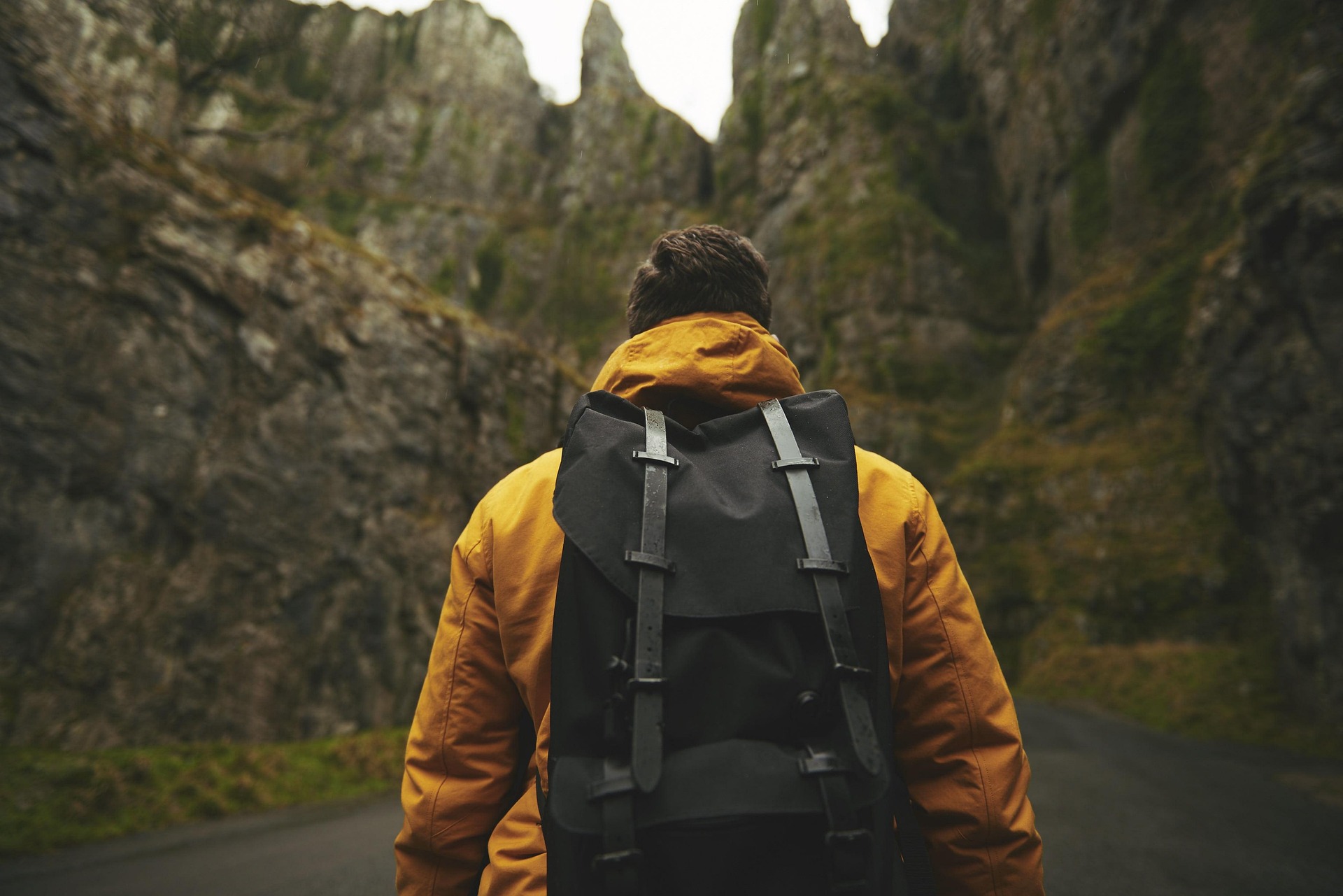
Trekking in the monsoon is a sensory explosion. The sound of rain on leaves, the smell of fresh earth, and the sight of hills draped in infinite shades of green make it a favorite time for outdoor lovers. But the rains also bring unique challenges — muddy trails, slippery rocks, high winds, and rapid river flows.
To enjoy the monsoon safely, you need to adjust your mindset, your gear, and your rules. Here is your definitive safety guide for monsoon trekking in the Western Ghats and beyond.
1. Footwear: The Foundation of Your Safety
Do not wear old running shoes or flat-soled sneakers on a monsoon trek. The mud and wet moss will turn them into slides. Invest in a pair of trekking shoes with deep lugs (grooves) and good grip. Make sure they are broken in before the trek. Wet feet are inevitable, so carry extra pairs of dry socks wrapped in plastic bags to wear once you finish the trek.
2. The Dry Bag Technique
No backpack cover is 100% waterproof in heavy rain. The secret is the "dry bag technique." Line the inside of your backpack with a large, thick plastic garbage bag. Put all your electronics, clothes, wallet, and dry food inside this plastic bag, and tie it securely. This guarantees your essentials remain dry even if your backpack gets completely soaked.
3. Respect River Crossings
A stream that is ankle-deep in the morning can become a chest-deep, roaring torrent by afternoon if there is heavy rain upstream. Never attempt to cross a fast-flowing river if the water level is above your knees. If a crossing looks risky, wait for the flow to subside or turn back. No summit is worth risking your life over.
4. Hypothermia Is a Real Risk
Even though temperatures in the plains are warm, standing on a windy mountain ridge soaked in rain can cause your body temperature to drop rapidly. Carry a light windcheater or rain shell to block the wind. As soon as you complete the trek, change into dry clothes immediately to keep your body warm.
5. Choose Your Trails Wisely
In heavy rains, avoid trails that involve steep rock climbs or walking along narrow ridges prone to landslides. Focus on forest trails, plateau walks, and gentle fort climbs. Always check the weather forecast and local government advisories before heading out, and never trek alone.